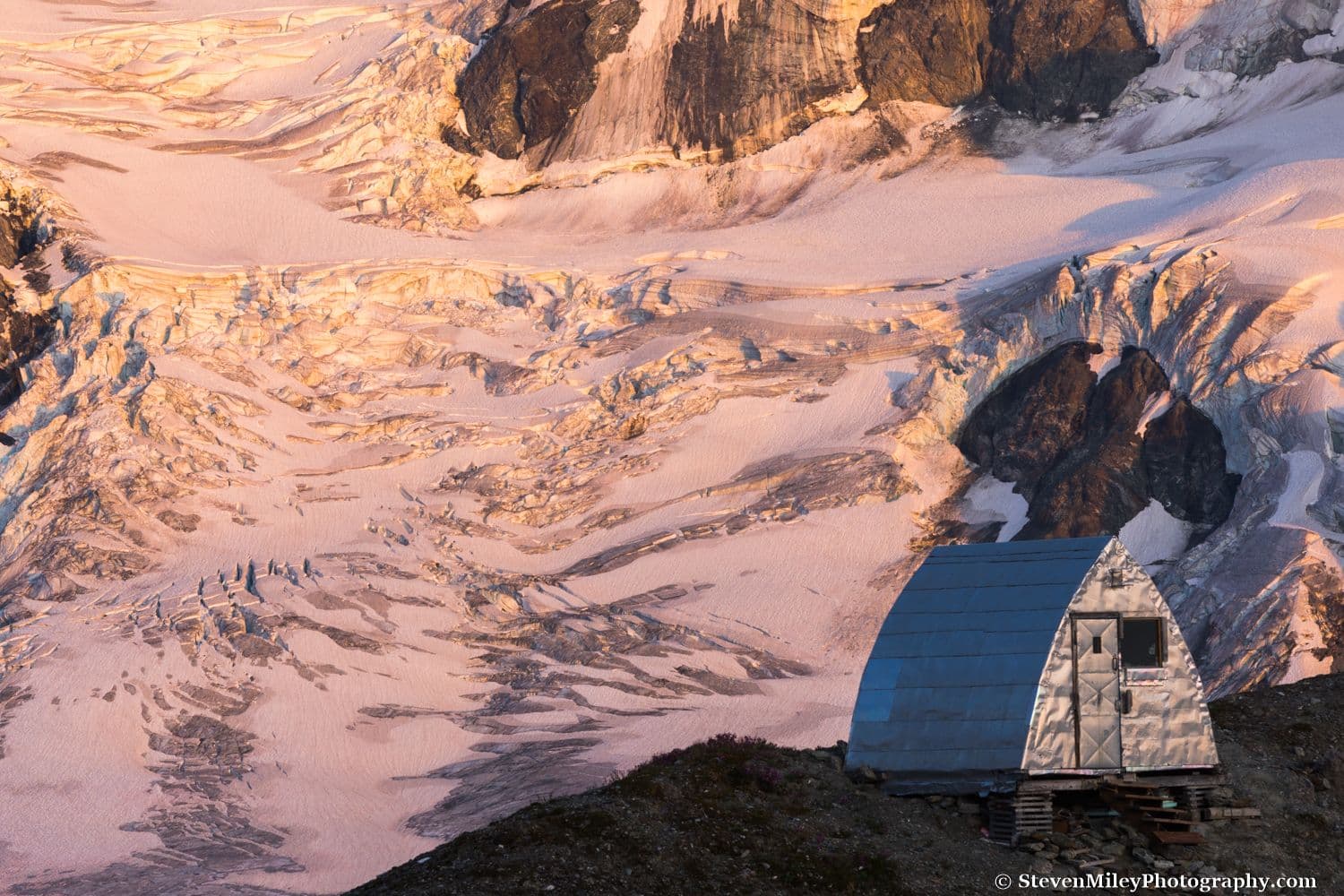
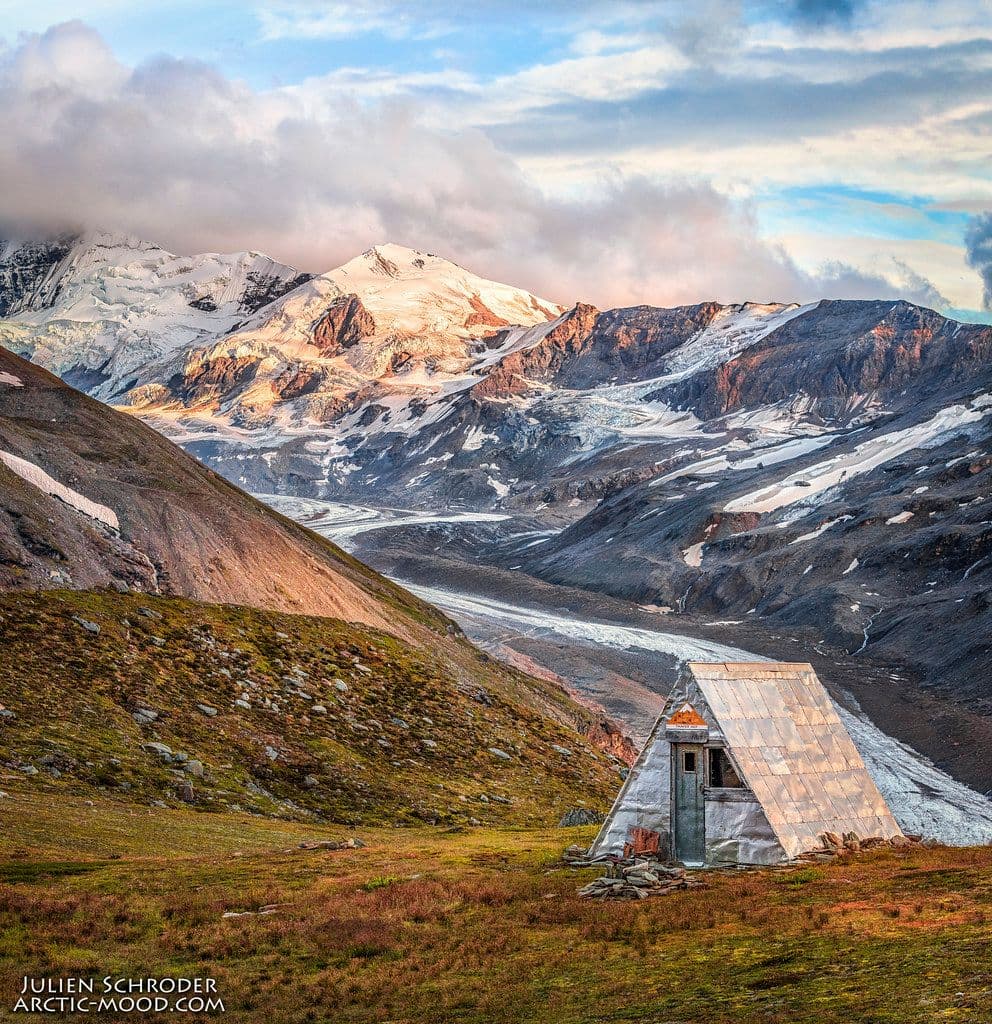
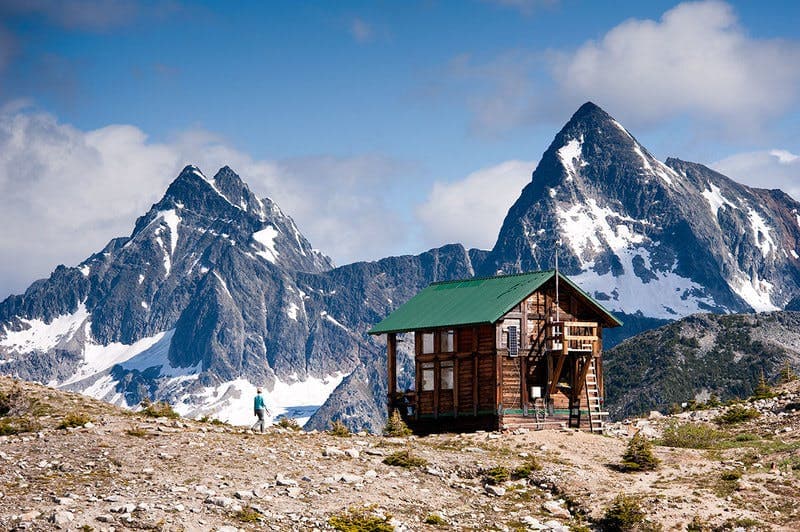
Franz Six Cabin
The place
Franz Six Cabin in the Yukon, Faro/Ross River area (Pelly River-Lake Laberge basin, Yukon, Canada), at a true elevation of ~700 m (the listed 0 m is incorrect), in the boreal taiga. Continuous Canada Yukon cluster (batches 260-384). A historic trapper's/prospecting cabin from the Yukon (Franz Six, a German surname belonging to a Yukon Gold Rush prospecting pioneer; the Pelly River, 608 km, the 3rd tributary of the 3,185 km Yukon River, the 4th-longest river in North America; the Klondike Gold Rush of 1896-1899, with 100,000 stampeders passing through the historic boomtown of Dawson; Faro's former Cyprus Anvil lead-zinc mine, closed in 1998), reflecting the heritage of the Kaska/Nahanni Dene people (an Athabaskan people numbering 3,000, speaking Dene, across Yukon and BC), of Robert Service (1874-1958), whose poem "The Cremation of Sam McGee" is an icon of the Yukon's boreal folklore, and of Jack London (1876-1916), whose 1903 novel "The Call of the Wild" is an iconic depiction of Klondike stampeders and the clash between human arrogance and nature.
The setting
Yukon Faro/Ross River Pelly River-Lake Laberge basin YT Canada listed elevation 0 m incorrect ~700 m true boreal taiga, continuous cluster batches 260-384, trapper's/prospecting cabin Franz Six German Yukon Gold Rush pioneer + Pelly River 608 km 3rd tributary of the 3,185 km Yukon River 4th-longest in North America + Klondike Gold Rush 1896-1899 100,000 stampeders Dawson + Faro's Cyprus Anvil mine closed 1998, Kaska/Nahanni Dene Athabaskan 3,000 Dene YT-BC + Robert Service 1874-1958 Cremation of Sam McGee iconic poem + Jack London 1876-1916 Call of the Wild 1903 Klondike arrogance-vs-nature.