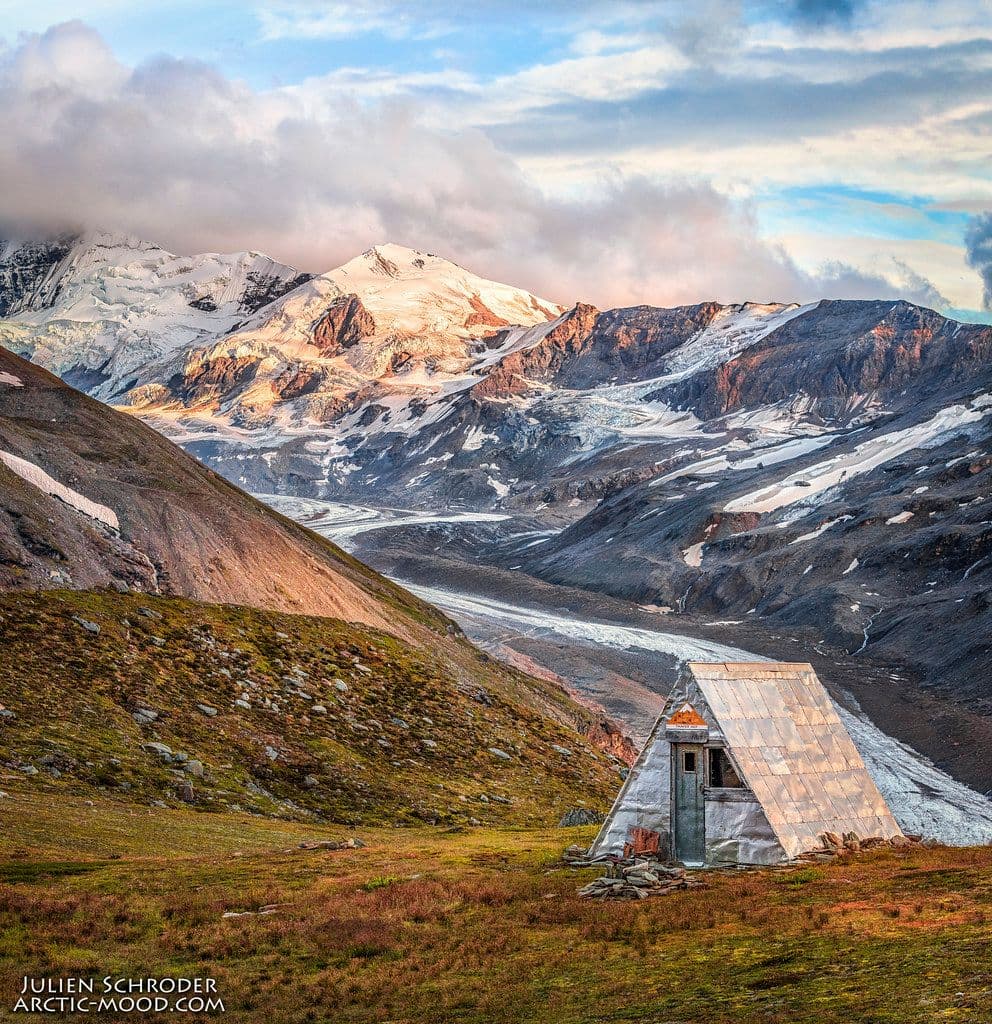
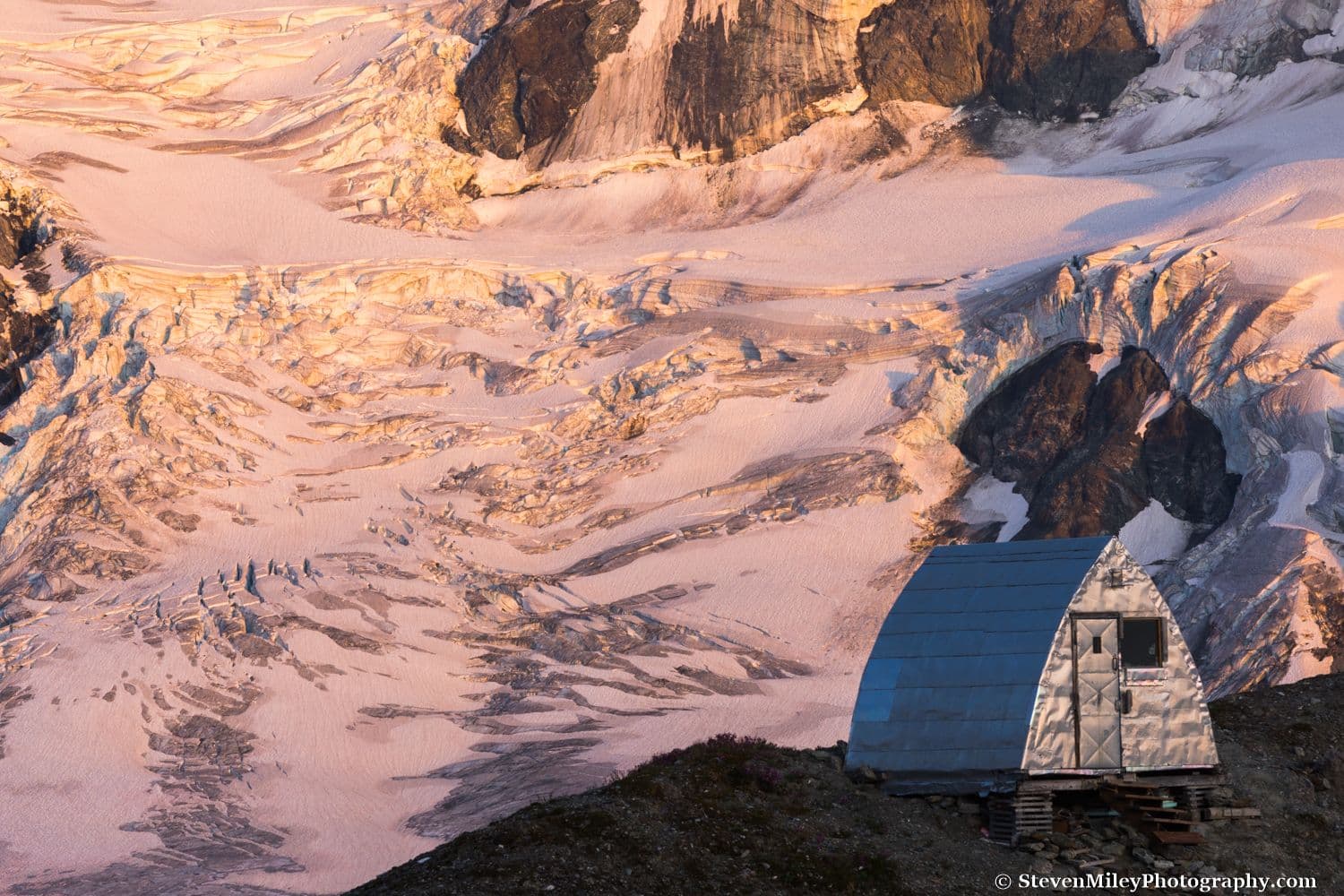
西別小屋
Nishibetsu Hut
The place
Nishibetsu-koya ("Nishibetsu River Cabin") in Hokkaidō Prefecture, Nakashibetsu/Bekkai area (Akan-Mashū National Park, Japan), at 335 m elevation, on the Kunashiri-Iwo volcanic plateau. Continuous Japan Hokkaidō cluster (batches 210-369). Sansō/hinan-koya bivouac hut in Hokkaidō (the Nishibetsu, a 90 km tributary of the Betsukai River + Akan-Mashū National Park, 906 km², established 1934, Japan's 5th national park + Lake Mashū, a caldera lake, the most transparent lake in the world with 41 m visibility, measured in 1931 + Meakan-dake, 1,499 m, an active volcano with fumaroles + the Kussharo caldera, 20 km in diameter, formed circa 4400 BCE + heritage of the Ainu (Indigenous people of Hokkaidō, 24,000, Ainu language, endangered, declared UNESCO-recognized in 2017 and officially recognized by Japan + kotan traditional villages + iomante, the ancestral bear ceremony held in December + Wajin colonization from 1869, the Kaitakushi assimilation policy of the 20th century, a painful memory + the Ainu Cultural Promotion Act of 1997, followed by the Ainu Peoples Act of 2019, official recognition as an Indigenous people).
The setting
Hokkaidō, Nakashibetsu/Bekkai area, Akan-Mashū National Park, Japan, 335 m, Kunashiri-Iwo volcanic plateau, continuous cluster batches 210-369, sansō/hinan-koya bivouac, Nishibetsu, 90 km tributary of the Betsukai + Akan-Mashū NP 906 km², est. 1934, Japan's 5th national park + Lake Mashū, caldera lake, 41 m visibility, measured 1931 + Meakan-dake 1,499 m, active + Kussharo caldera, 20 km diameter, c. 4400 BCE; Ainu, Hokkaidō, 24,000, Ainu language, UNESCO 2017 + kotan + iomante bear ceremony in December + Wajin colonization from 1869, Kaitakushi policy + Ainu Cultural Promotion Act 1997, then Ainu Peoples Act 2019.