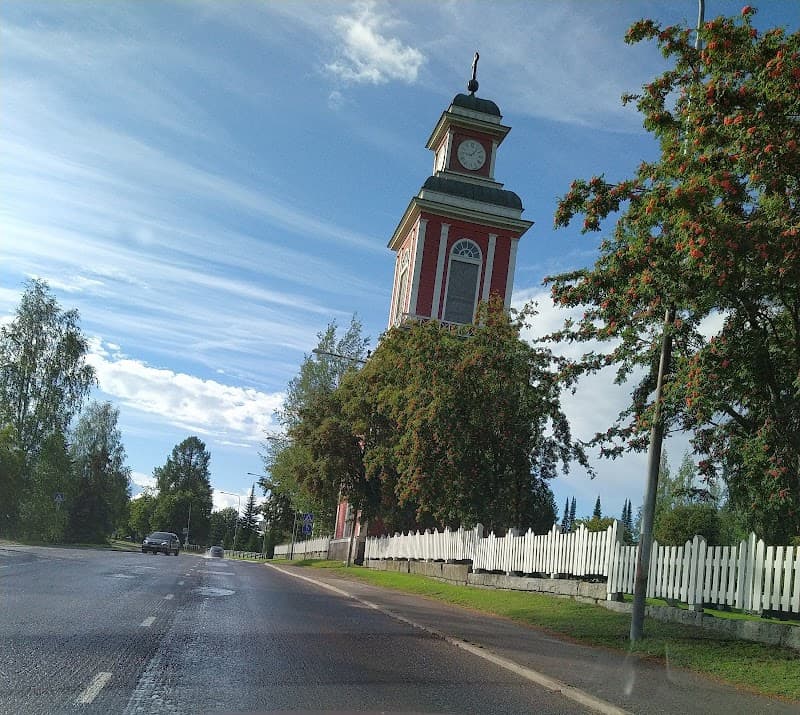
Toivikkeen maja
The place
Toivikkeen maja ("Hope cabin") in the Uusimaa region, Riihimäki/Loppi sector (Southern Finland, Helsinki hinterland, Finland), at a true altitude of about 120 m (the listed 0 m is erroneous), boreal taiga. Continuous Finland Uusimaa cluster (batches 240-396). A maja/kämppä forest cabin managed by Metsähallitus (Toivikkeen meaning "hope" in Finnish toponymy), set against Uusimaa's 1.7 million inhabitants, Riihimäki's 30,000 inhabitants and glass-industry history, and the heritage of the Finnish people of Uusimaa (a Finno-Ugric people, 5 million speakers, Finnish made official in 1863; the Kalevala, compiled by Elias Lönnrot in 1849, 22,700 verses, featuring Sampsa Pellervoinen, the national epic; Jean Sibelius, 1865-1957, iconic Finnish composer, Finlandia Op. 26, 1900, a symbol of resistance to Russification; independence on 6 December 1917 from Lenin's USSR; the Winter War, 30 November 1939 - 13 March 1940, against the USSR over Karelia; the Continuation War, 1941-1944, in alliance with the Reich; the 1947 Paris Peace Treaty ending WWII involvement; neutrality, EU membership in 1995, and NATO membership on 4 April 2023).
The setting
Uusimaa, Riihimäki/Loppi, S Finland, Helsinki hinterland, Finland, listed altitude 0 m erroneous, actual ~120 m, boreal taiga, continuous cluster batches 240-396, maja/kämppä forest cabin Metsähallitus Toivikkeen hope + Uusimaa 1.7 M + Riihimäki 30,000 glass industry, Finnish people of Uusimaa Finno-Ugric 5 M Finnish official 1863 + Kalevala Lönnrot 1849 22,700 verses Sampsa Pellervoinen + Sibelius 1865-1957 Finlandia Op. 26 1900 Russification resistance + independence 6 Dec 1917 from Lenin + Winter War 30 Nov 1939-13 Mar 1940 Karelia + Continuation War 1941-1944 Reich + Paris 1947 neutrality EU 1995 NATO 4 April 2023.