Roth Turistaház
The place
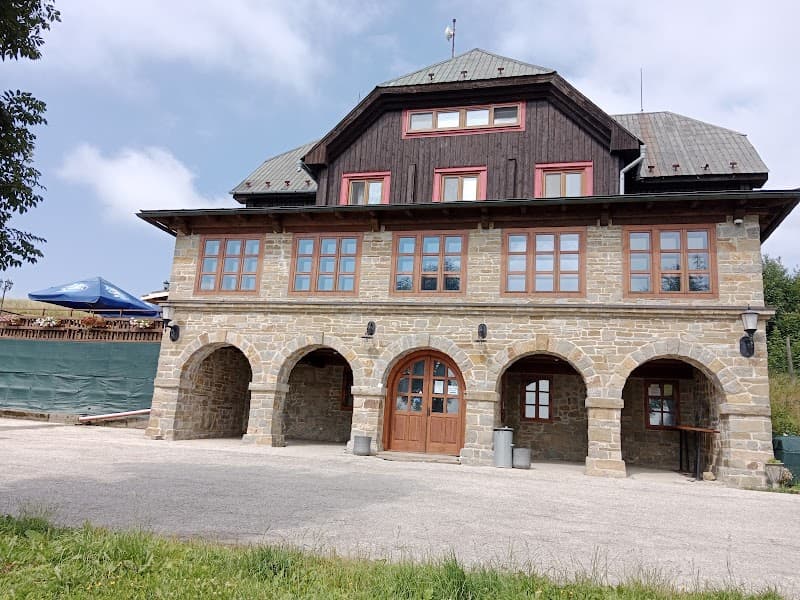
Roth Turistaház ("Roth Tourist House") in Győr-Moson-Sopron county, Sopron/Fertőrákos area (Nyugat-Dunántúl, Western Hungary, Hungary), at 467 m elevation, on the Sopron Hills, foothills of the Alps. Continuous Hungary cluster (batches 230-360). Turistaház of the MSTSZ (Magyar Természetjáró Szövetség, 40,000 members, founded 1893, the oldest hiking federation in Hungary + weekend hikers from nearby Sopron, close to Vienna at 60 km), an area of beech-hornbeam forest in the Sopron Hills + Lake Fertő/Neusiedler See, UNESCO site since 2001, the 3rd-largest steppe lake in Europe + Sopron's heritage: the 14 December 1921 plebiscite versus Austria, in which 65% chose Hungary, the only referendum after Trianon in which the region stayed Hungarian, earning it the title civitas fidelissima ("most loyal town") + Ödenburg, the German name, with German speakers numbering 8,000 and remaining the majority until assimilation in 1955 + heritage of the Pannonian-Ostrogoths (Roman Pannonia 15 BC-500 AD, then Avars-Huns 500-800, then the Magyar conquest of 895 entering the Pannonian Basin).
The setting
Győr-Moson-Sopron Sopron/Fertőrákos Nyugat-Dunántúl Western Hungary 467 m Sopron Hills, continuous cluster batches 230-360, MSTSZ 40,000 members founded 1893 oldest hiking federation in Hungary + weekend hikers from Sopron near Vienna 60 km, beech-hornbeam forest + Lake Fertő/Neusiedler See UNESCO 2001 3rd-largest steppe lake in Europe + Sopron plebiscite 14 Dec 1921 65% Hungary civitas fidelissima post-Trianon + Ödenburg 8,000 German speakers majority until assimilation 1955 + Roman Pannonia 15 BC-500 AD + Avars-Huns 500-800 + Magyar conquest 895 entering Pannonian Basin.