Hörnlihütte
The place
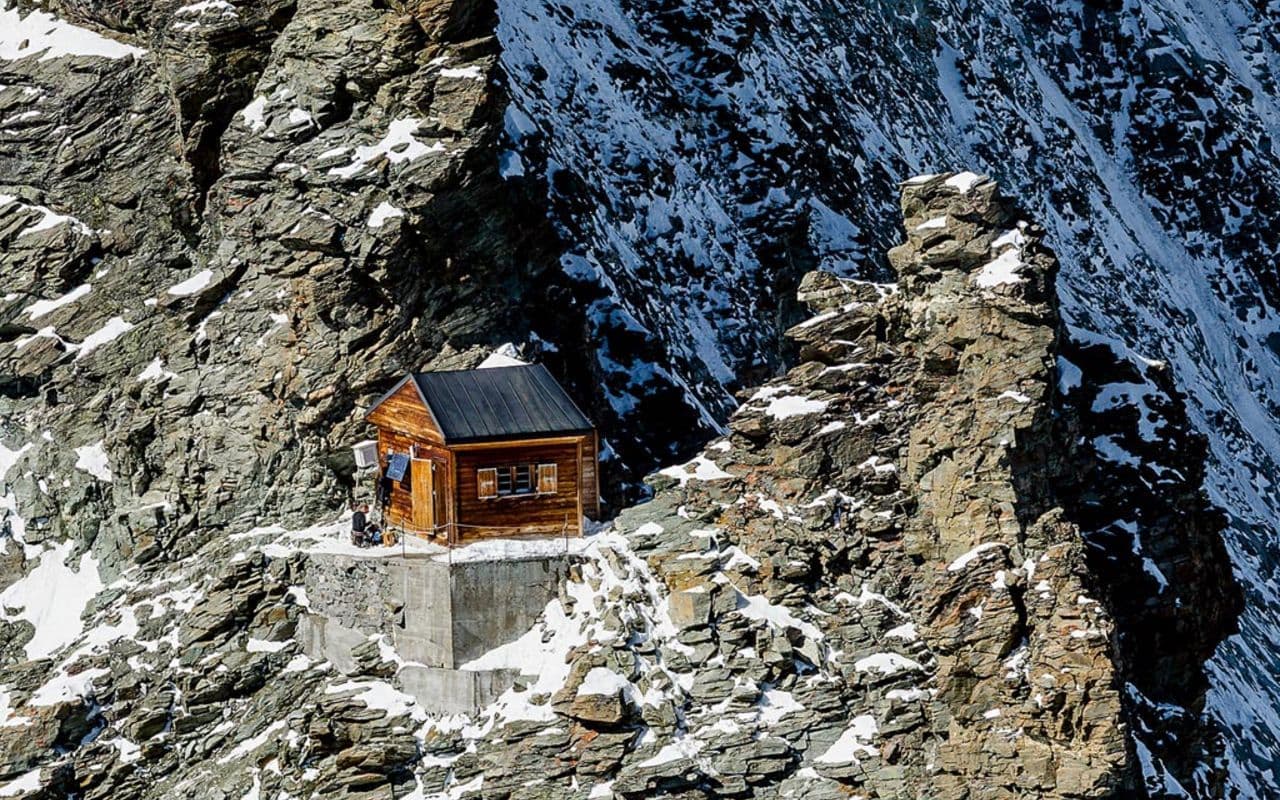
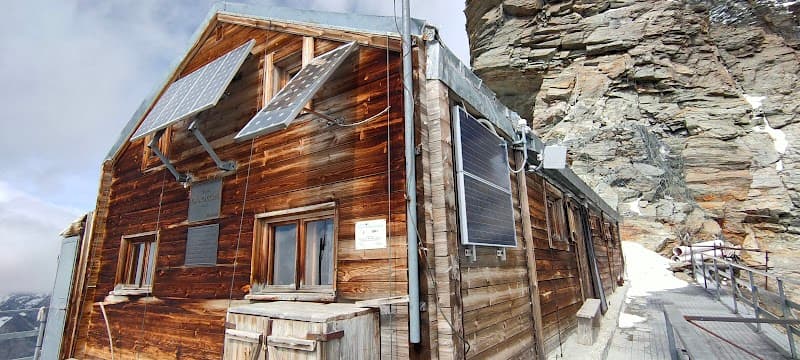
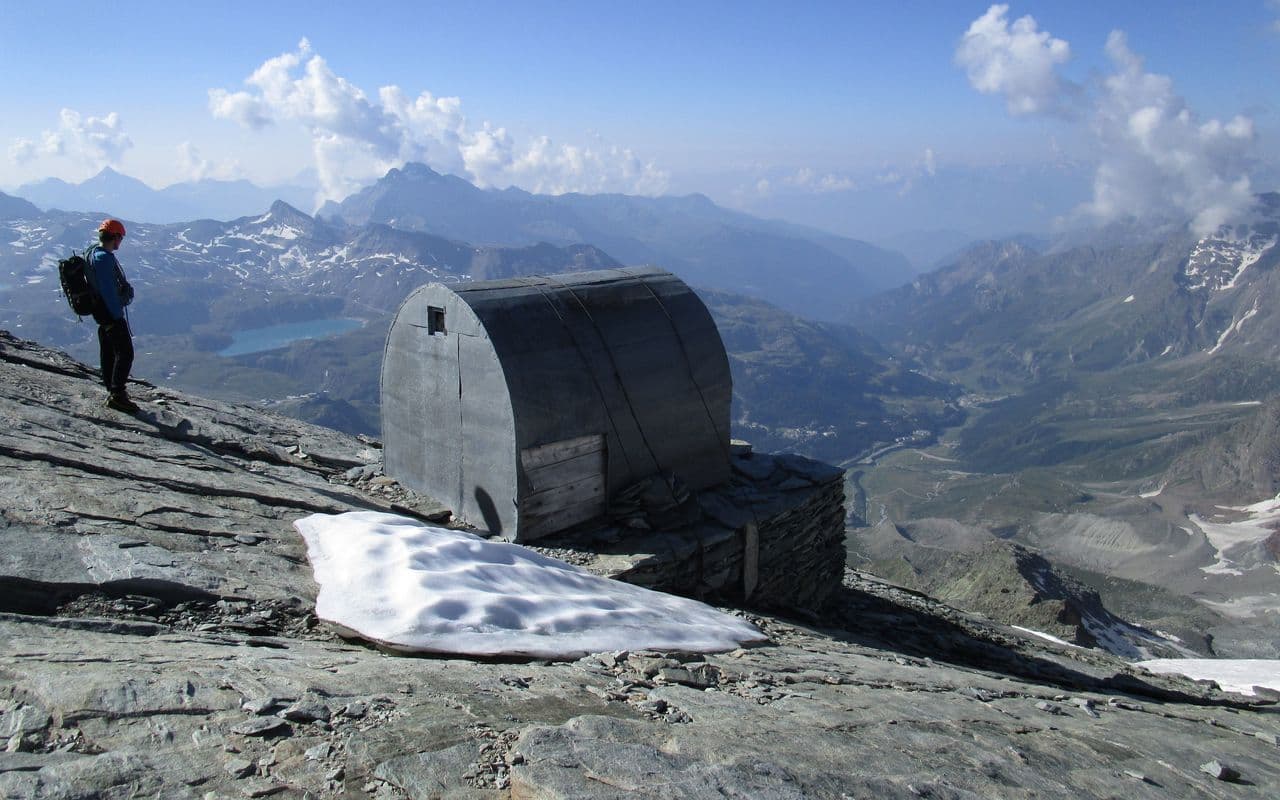
Staffed refuge at 3260 m at the foot of the Matterhorn, on the north-east ridge (Hörnligrat) above Zermatt (Valais, Switzerland). The first refuge was built in 1880 by the Monte Rosa section of the Swiss Alpine Club with 17 beds. In 1911 the municipality of Zermatt built the Belvédère hotel (Berghaus Matterhorn) right next to it; the two structures were merged in 1987 and are run by the municipality, offering 170 beds after the 1982 renovation. The Monte Rosa section of the SAC sold the refuge to the Burgergemeinde Zermatt in 2012. A complete renovation was carried out from 2013 to 2015 to mark 150 years since the first ascent of the Matterhorn; it reopened in July 2015. Today: 150 beds, 130 restaurant seats. Season from 26 June 2026; emergency shelter open year-round. Base camp for the ascent of the Matterhorn (4478 m) via the Hörnli and Zmutt ridges. Access in 2 hours from the Schwarzsee cable car station in Zermatt, a marked route equipped with cables, chains, metal rungs and stairs.
A bit of history
#### History of the Hörnlihütte Key Timeline: Originally built in 1880 by the Sion Monte Rosa section of the Swiss Alpine Club, the Hörnlihütte has evolved since its first 17-bed version. Built on the north-east ridge of the Matterhorn, it has been home to the alpine ambitions of countless climbers. The most significant transformation took place in 2015, with the demolition of the old structure and the inauguration of a modern mountain hut, 150 years after the first successful ascent of the Matterhorn. #### Location and Access to the Hut How to Reach the Hörnlihütte: Nestled at an altitude of 3,262 metres, the hut can be reached from Zermatt either via a hike of about four and a half hours, or by cable car up to Schwarzsee, followed by a two-hour walk. #### Architecture and Features of the New Hörnlihütte Modernity and Comfort: After renovation, the Hörnlihütte offers 130 beds spread across rooms of various sizes, and even private double rooms. Emphasis was placed on the quality of the sanitary facilities for climbers' comfort. These improvements, requiring 8.5 million Swiss francs, also led to higher rates. #### Regulations and Environment Nature Protection: Around the Matterhorn, bivouacking and wild camping are strictly prohibited above 2,880 metres altitude to preserve the mountain's fragile ecosystem. Fines are imposed on offenders. #### References and Resources Practical Information: For more details, the Swiss Alpine Club remains the preferred source. In addition, the list of authors on the German Wikipedia article "Hörnlihütte" is available for those seeking further historical background.