Гора
The place
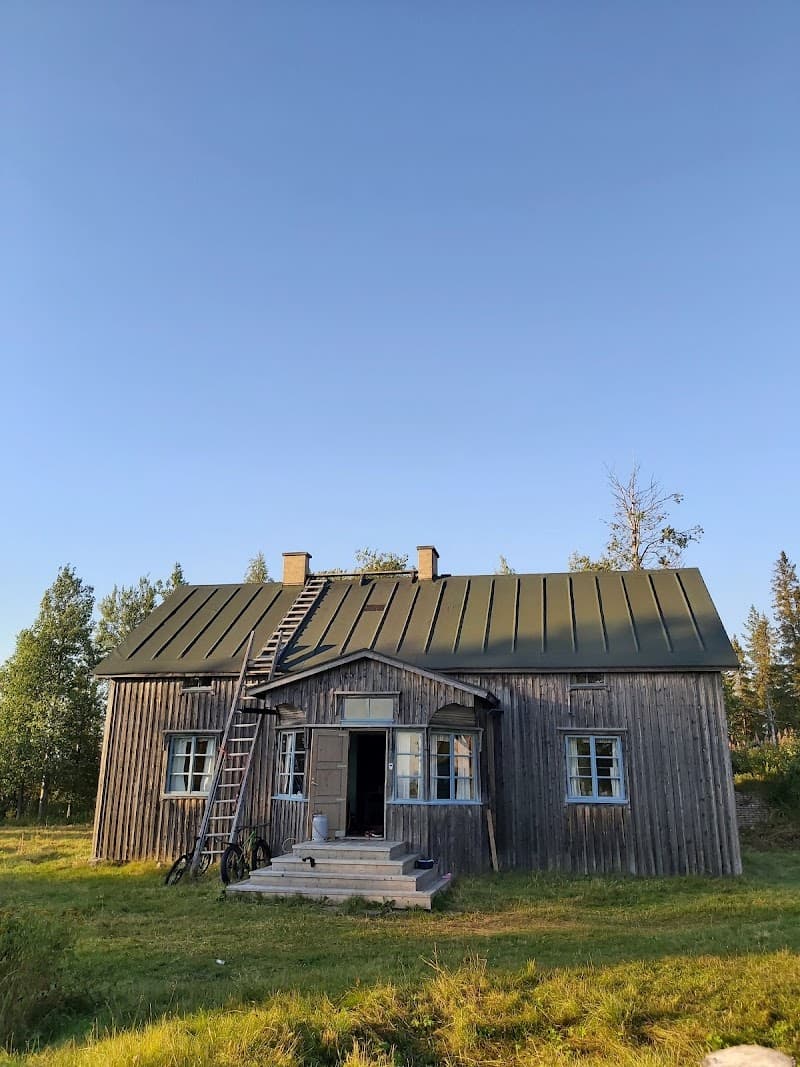
Gora ("Hill/Mountain") in Sverdlovsk Oblast, Nizhny Tagil/Verkhnyaya Salda area (eastern slope of the middle Urals, Russia), at 168 m elevation, middle Urals foothills. Continuous middle-Urals Russia cluster (batches 260-373). Traditional Ural hunters'/trappers' shelter (Gora is a generic "hill" toponym; Nizhny Tagil, population 350,000, is a metallurgy hub founded in 1725 and home to Uralvagonzavod, the world's largest tank manufacturer, maker of the iconic Soviet T-34/T-72/T-90; Verkhoturye monastery, founded 1604, is dedicated to the iconic Orthodox saint Simeon; the region carries the industrial heritage of Ural iron and steel from the 18th century, tied to the Demidov industrial family, notably Nikita Demidov 1656-1725; also the heritage of the Ural Russians — Yaik/Orenburg Cossack settlement in the 18th century, the founding of Yekaterinburg in 1723 by Peter the Great and cartographer Vasily Tatishchev, and the execution of the Romanovs on 17 July 1918 — Nicholas II, his four children, Alexandra, at the Ipatiev House in Yekaterinburg by the Bolsheviks).
The setting
Sverdlovsk, Nizhny Tagil/Verkhnyaya Salda, eastern slope of the middle Urals, Russia, 168 m, middle Urals foothills, continuous cluster batches 260-373, Ural hunters'/trappers' shelter, plus Nizhny Tagil, population 350,000, metallurgy hub founded 1725, Uralvagonzavod tank maker T-34/T-72/T-90, Verkhoturye monastery 1604 Saint Simeon, Ural industrial heritage, Demidov family, Nikita Demidov 1656-1725, Yaik/Orenburg Cossacks 18th century, Yekaterinburg founded 1723 by Peter the Great and Vasily Tatishchev, execution of the Romanovs 17 July 1918, Nicholas II, four children, Alexandra, Ipatiev House, Bolsheviks.